Alternative Drive Solutions: Challenge and opportunity for Agricultural machinery dealers
In the future, tractors and agricultural machines will be powered by alternative fuels or electricity. At AGRITECHNICA 2025, numerous production models and prototypes with alternative drive solutions will be on display. Electric drives in particular will have profound effects on agricultural machinery dealerships. Dealers will be required to develop new concepts for sales, service, and training in the future. However, they can also view these changes as opportunities to adapt and align their business models accordingly.
The question of which alternative drive solutions will power tractors and other agricultural machines in the future concerns the entire agricultural sector. The upcoming transition to alternative fuels and electric drives may have far-reaching consequences on agricultural machinery dealerships. For dealers, this transformation could mean not only a technological shift but also a strategic and organizational realignment.
Agriculture is at the beginning of a new era: diesel-powered tractors will increasingly be replaced by vehicles with alternative drives. Several technologies are currently considered promising, with no single solution preferred. Instead, a technological mix will emerge. This diversity requires adjustments in sales, consulting, and workshops. Traditional product sales are increasingly taking a back seat—comprehensive system solutions are in demand.
Alternative Fuels for Combustion Engines
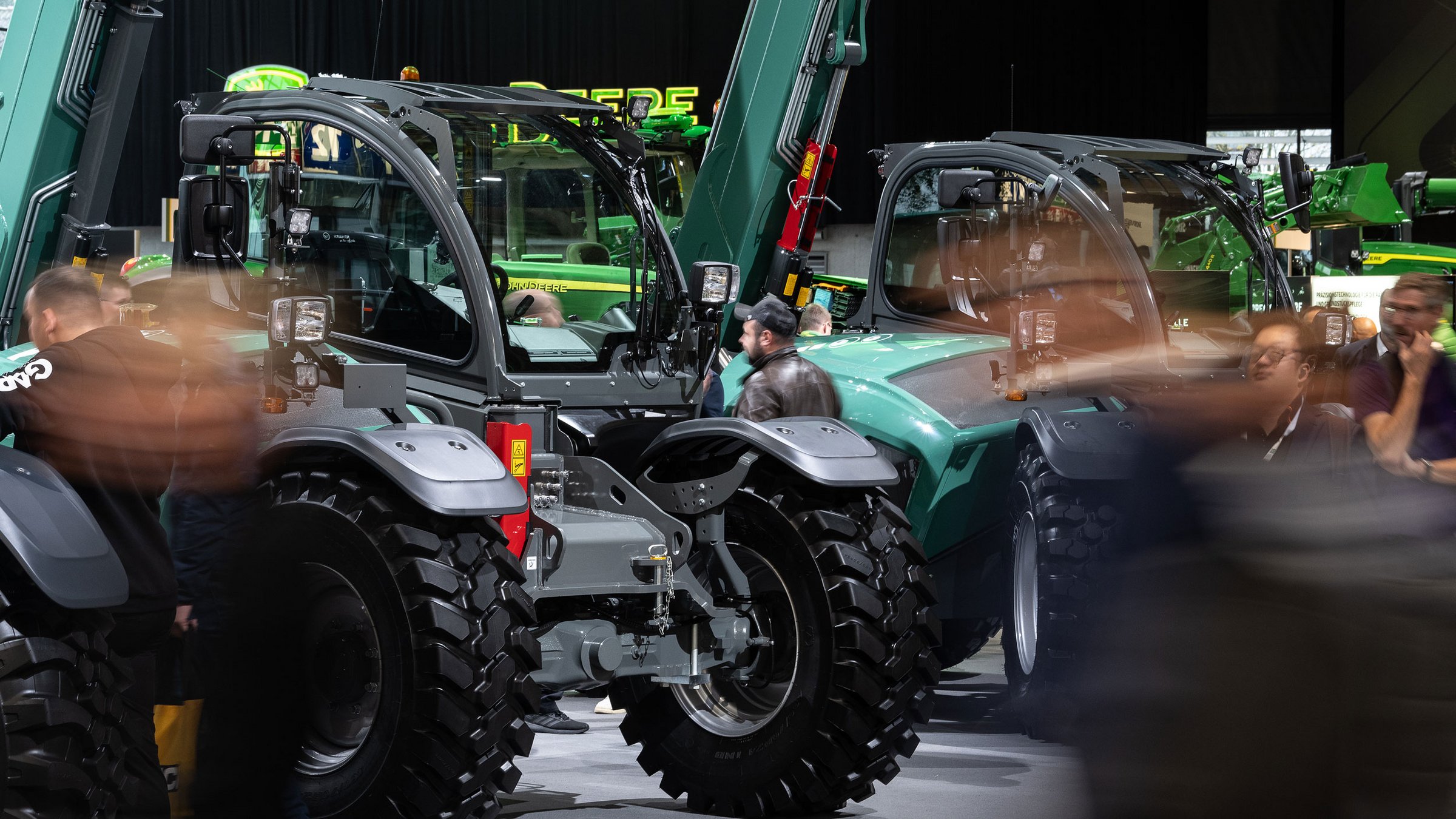
In the coming decades, a significant number of machines with combustion engines will still be present on farms. For several reasons: Depending on the alternative fuel used, no or only minor modifications to the vehicle are necessary. Additionally, the long lifespan of the machines and the fact that many farms cannot afford premature replacements financially play a role. Last but not least, there is currently a lack of financial incentives from policymakers to support the transition.
To make machines and non-electrifiable applications CO₂-friendly, alternative fuels are needed. The good news is that some of these can be used in existing vehicles. Fuels such as biodiesel, HVO (hydrotreated vegetable oil), and e-fuels are promising solutions for quickly reducing CO₂ emissions. However, they also come with challenges. Each fuel type has advantages and disadvantages regarding its properties, availability, and storage.
Utilizing Existing Storage and Tank Infrastructure
For agricultural machinery dealers, alternative fuels may require investments in storage and tank infrastructure. With certain fuels like HVO and e-fuels, existing systems can continue to be used. When storing biodiesel, it must be checked whether the tanks are suitable (type approval). This also applies to the material compatibility of fuel pump components. Furthermore, the entire tank system must not contain non-ferrous metals or their alloys to avoid corrosion, the formation of metallic soaps, or reduced long-term stability. Galvanized containers are also unsuitable for storing biodiesel.
Electrification brings major changes
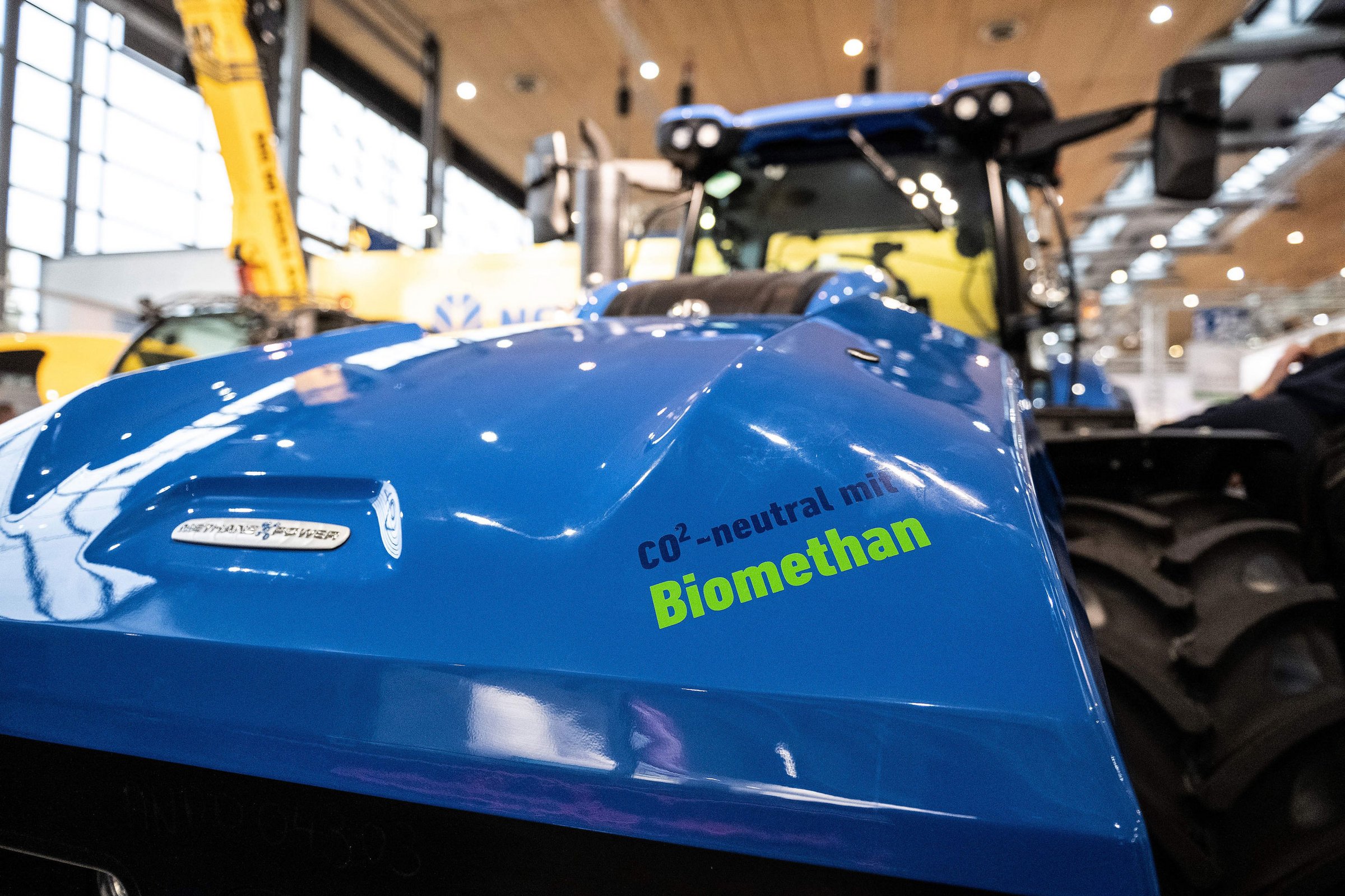
Electrification of agricultural machinery brings far greater changes for agricultural machinery dealers. Electric drives will primarily be used in farmyard operations, such as yard tractors and wheel loaders, as well as in permanent crops like fruit and viticulture. For heavy fieldwork, electric drives are not suitable due to the low power density of batteries and the limited operating times of the machines.
The introduction of electrically powered vehicles in agriculture requires new knowledge and skills from dealers and their employees. Agricultural machinery dealers will no longer just sell machines but increasingly entire systems. This demands greater consulting expertise, as customers expect well-founded advice on different drive concepts, ranges, and operating costs. Another aspect is the integration of charging infrastructure, which dealers will also need to offer.
Electrically powered machines also require different maintenance and diagnostics. They have significantly fewer mechanical parts that can fail or need replacement, and they do not require motor oil. As a result, agricultural machinery dealers must find new ways to generate revenue.
Electric vehicles also require new workshop equipment. This includes insulated tools, safety measures for battery service, and training on the high-voltage technology installed in agricultural machines and its safe handling.
Lifelong Learning Becomes Standard
Speaking of training: Rapid technological developments raise the question of whether current training can keep up. It is clear that the current training for agricultural machinery mechatronics is not adequately prepared for electric drives and must be further developed. Agricultural machinery mechatronics increasingly need knowledge in electronics, software, and energy technology. Lifelong learning will become the norm. Depending on which alternative drives prevail in the future, there may even be a need to specialize in specific drive technologies.
Sales staff also need further qualifications to competently advise their customers on electric tractors and charging electronics. They must be able to answer customer questions about operating times, charging infrastructure, battery lifespan, and operating costs. Competent salespeople can not only answer all questions but also give customers confidence that they are in the right place when it comes to electric drives. Only through targeted training and education can the industry secure the necessary expertise and inspire young talent for this exciting future.
Expanding the service offering
When farmers decide to purchase an electrically powered agricultural machine, the question of suitable charging infrastructure automatically arises. This offers agricultural machinery dealers the opportunity to expand their service offerings—for example, by installing and maintaining charging stations and wall boxes, or by advising farmers on photovoltaics and charging, or offering services related to charging, such as billing services. With such expanded services, agricultural machinery dealers can become one-stop shops for all needs related to agricultural electromobility, making them highly attractive to their customers.
Conclusion
The transformation of agricultural technology through alternative fuels and new drive concepts is not a distant vision—it has already begun. The growing number of exhibits featuring alternative drive solutions at AGRITECHNICA 2025 clearly demonstrates this. For agricultural machinery dealers, this means: now is the time to reposition themselves strategically and technologically. Those who actively shape these developments early on will become not only technical service providers but strategic partners for the agriculture of tomorrow.
Agricultural machinery dealerships are facing a profound transformation. Success will come to those who build technological expertise, involve and train their employees, and develop customer-oriented service and sales concepts. Training must be rapidly adapted and supplemented by continuous further education. A strategic rethink is essential—at the same time, this transformation offers many opportunities for a future-proof, sustainable agricultural technology sector. Those who act as partners to agriculture in matters of alternative drives and energy infrastructure will position themselves successfully in the long term—not despite the change, but because of it.
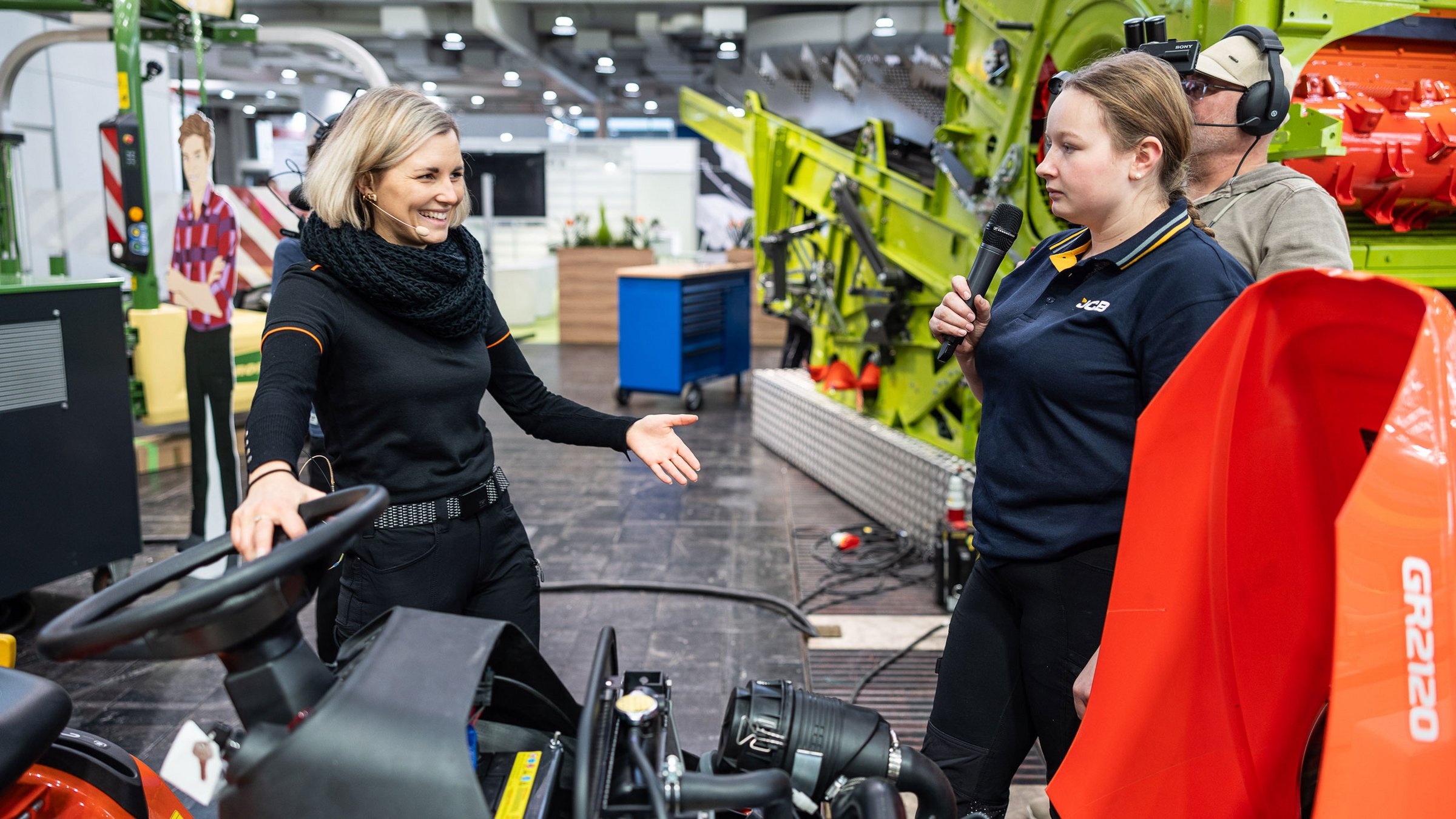
At AGRITECHNICA 2025, agricultural machinery dealers will find the DLG Spotlight Workship Live and the International Dealer Center in Hall 2, where these very topics will be showcased, discussed, and presented in practical daily pop-up talks. In cooperation with the LandBauTechnik Bundesverband e.V., all information related to training and further education for a changing industry will be offered here.