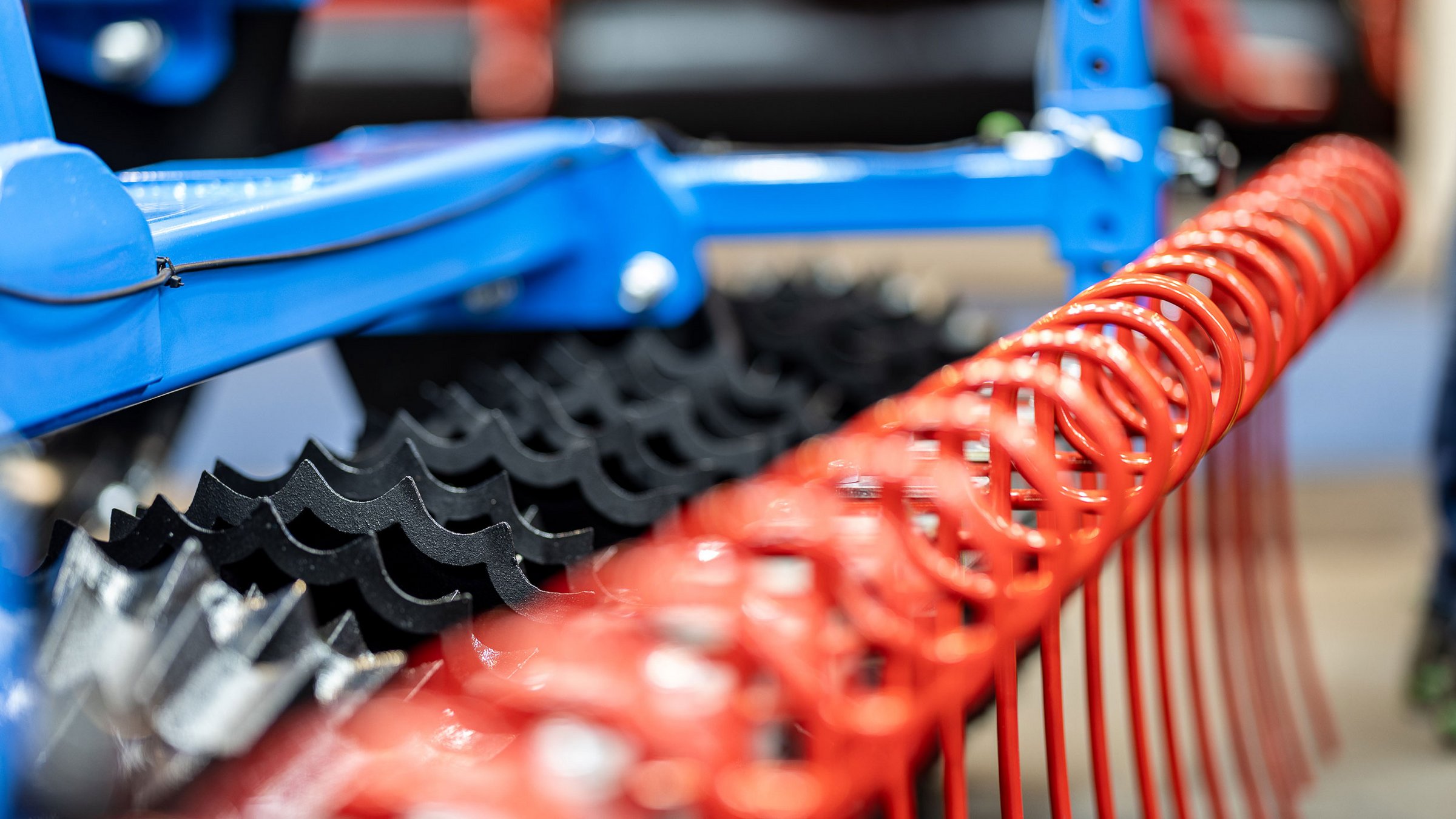
Regenerative Agriculture: The Answer to Climate Change?
Regenerative agriculture is increasingly being discussed as a concept for the future of farming and it is one that places soil health at its core. The goal is to stabilize soil functions and, in light of climate change, ensure yield security under increasingly variable conditions. A broad mix of tools allows farmers to adopt individual components or implement the entire system. Due to its growing relevance, regenerative agriculture will also be a key topic at AGRITECHNICA 2025.
Agriculture faces a range of challenges: climate change, with more frequent extreme weather events such as drought and heavy rainfall, is having a significant impact on land use. At the same time, resources must be conserved, greenhouse gas emissions reduced, and biodiversity loss halted. These developments – combined with strict EU regulations such as the reduction of crop protection ingredients and fertilizers – are prompting the industry to explore new farming systems. Regenerative agriculture is increasingly being considered as a response to these complex challenges.
This concept puts soil health at the center, aiming to stabilize soil functions and, on that basis, secure yields under changing conditions. Many farmers see regenerative methods as a way to adapt to the effects of climate change.
No Fixed Definition
What makes regenerative agriculture promising is its aim to align greater sustainability in farming with the preservation of productivity. However, what exactly is regenerative agriculture? An official definition does not as yet exist.
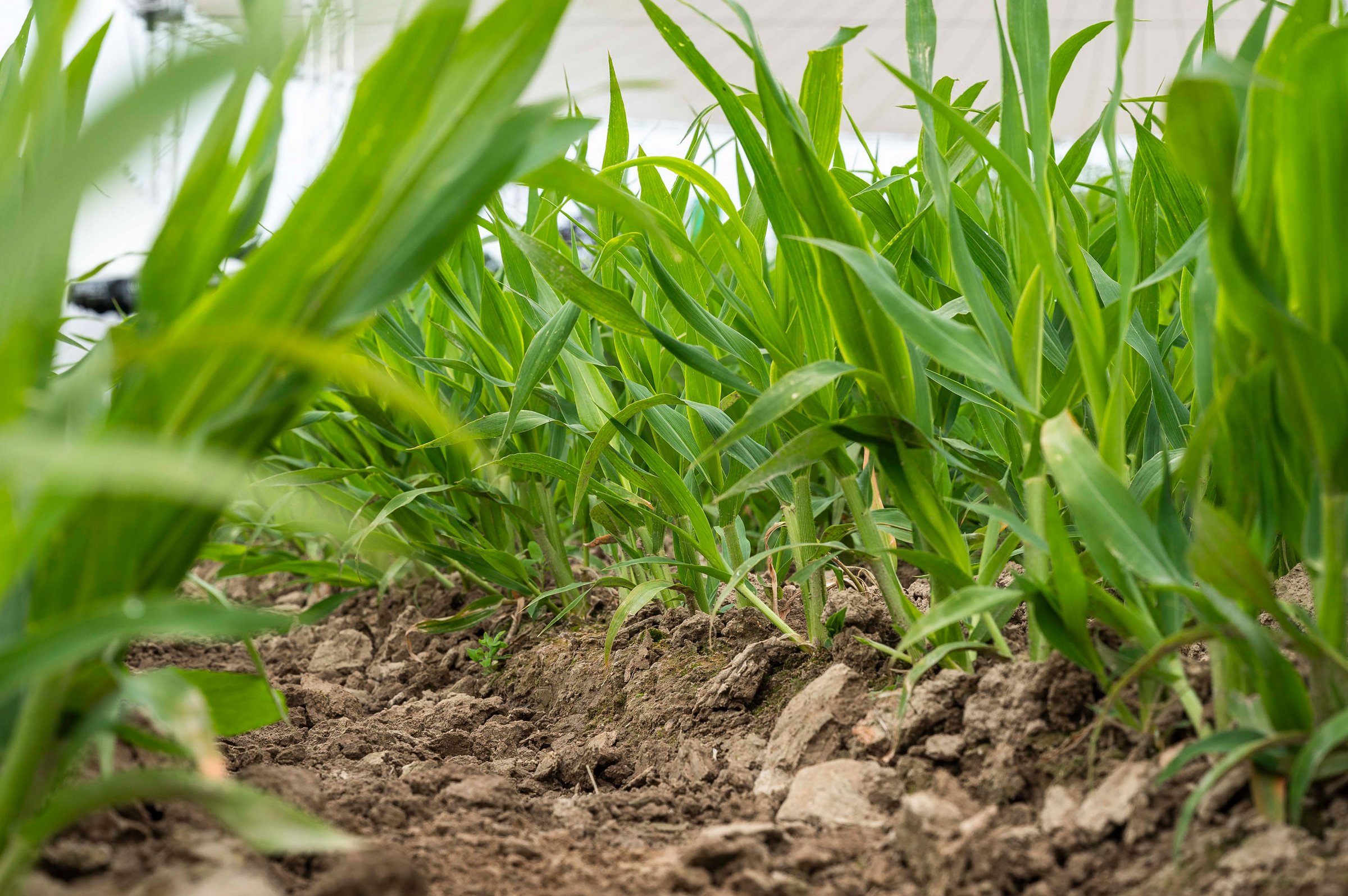
Still, practices such as reduced tillage, permanent soil cover, diverse crop rotations, and intensive cover cropping are widely recognized as core elements. The goal is to promote soil biology and humus formation, thereby improving soil functions.
The lack of a fixed definition also allows practitioners to gradually adopt regenerative agriculture. Depending on local conditions, farmers can apply selected elements of the system. This step-by-step approach is well suited to real-world farming, where regenerative agriculture is often seen as a process of continuous experimentation and adaptation to site-specific needs.
Five Principles
Regenerative agriculture is seen as having the potential to help existing farming systems adapt effectively to changing climatic conditions. The five internationally recognized principles are:
1. Minimal Soil Disturbance
At the heart of regenerative agriculture is the enhancement of soil health and fertility. This requires regular soil testing to monitor conditions. Minimal soil disturbance through reduced tillage helps prevent erosion and soil degradation, increases the soil’s water absorption and retention capacity, preserves organic matter, and improves soil structure through more roots and a diverse soil life. Since less time is needed for fieldwork, optimal sowing dates can also be better met.
2. Permanent Soil Cover
Permanent soil cover through plant residues and/or living plants protects the soil from direct sunlight, wind, and water erosion, and reduces water evaporation. Soil life is promoted as more food is available for macro- and microorganisms. Combined with reduced tillage, this leads to a soil structure that can absorb more water during heavy rainfall and make it available to plants during dry periods.
3. Diverse Cropping Systems
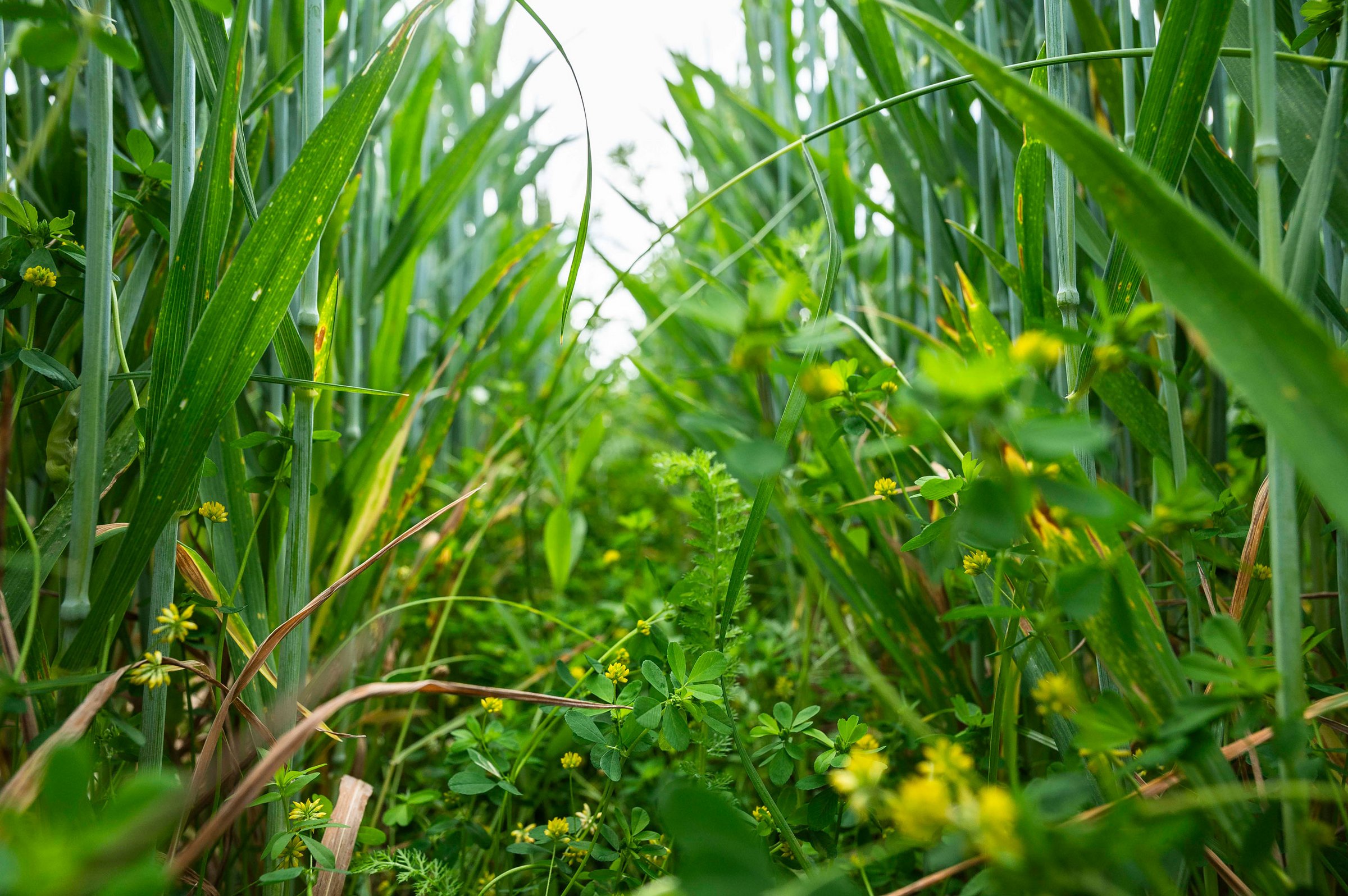
More diverse crop rotations are a key element of regenerative agriculture. They help maintain soil fertility and health, improve soil structure, suppress weed growth, increase resistance to pests and diseases, build humus, and mobilize and release nutrients. A diverse cropping system can also include cover crops, undersowing, intercropping, perennial crops, agroforestry, and landscape elements such as hedgerows and shrubs.
4. Maintaining Living Roots Year-Round
Regenerative agriculture relies on plant diversity and root systems through permanent and varied vegetation, as root exudates are a major contributor to humus formation and feed soil biology. A more active soil life can also act as a natural antagonist to phytopathogenic fungi, potentially reducing the need for crop protection products. Cover crops are a key component for year-round root presence. They protect against erosion, build organic matter, promote soil biodiversity, and—if legumes are used—fix nitrogen. This makes them a cornerstone of regenerative agriculture.
5. Integration of Livestock
Regenerative agriculture integrates livestock into the cropping system in a way that closes nutrient cycles, promotes soil life, and ideally maximizes animal welfare through pasture-based systems. Organic fertilizers play a key role, as regular organic fertilization helps maintain humus levels and soil functions.
Opportunities and Challenges
Regenerative agriculture has the potential to serve as a model for farming that combines high productivity with sustainability and biodiversity promotion. Many farmers are motivated by the fact that long-term soil security is in their own interest. The “modular principle” of regenerative agriculture and its broad toolbox make the system flexible and adaptable for different farm types.
However, farm managers must be willing to embrace the system’s complexity and accept lower yields, especially in the early years. These lower yields can often be partially or fully offset by savings in field passes, crop protection, and fertilizers, allowing for comparable gross margins to conventional intensive farming. Initial investments in new technology and increased training and labor requirements must also be considered.
Political and economic pressures—such as the EU Taxonomy and the Corporate Sustainability Reporting Directive (CSRD)—may also support regenerative agriculture in the future. These frameworks set new standards for measuring and comparing sustainable practices. Without appropriate adjustments, farms may face difficulties in accessing credit or subsidies.
A Key Topic at AGRITECHNICA 2025
This year’s AGRITECHNICA will offer a wide range of information on the topic of regenerative agriculture. It’s worth browsing the exhibitor list in advance, as many manufacturers will be showcasing technologies related to minimum tillage and direct seeding. Manufacturers of crop protection and fertilization technology, as well as fertilizer producers, will also be key points of interest, since healthy plants play just as important a role in regenerative agriculture as promoting soil life and soil metabolism.
For visitors who want to learn even more about regenerative agriculture, the “DLG Spotlight Soil Health” in Hall 24 (directly opposite the DLG stand) is the place to be. Everything here revolves around our foundation for life and nutrition: the soil. Together with the Gesellschaft für konservierende Bodenbearbeitung (Society for Conservation Tillage - GKB), visitors can explore everything about the top layers of our Earth’s crust. Fascinating insights, expert exchanges, and specialist presentations round off the spotlight on maintaining the health of the world beneath our feet.
Additional events on regenerative agriculture will also take place on 11 November 2025 in Hall 24. At 4:00 p.m., a panel discussion will be held on the topic. Experts will present best-practice examples from various countries and address the challenges of this farming approach.