Digitalization on the Farm: A Look into the Future
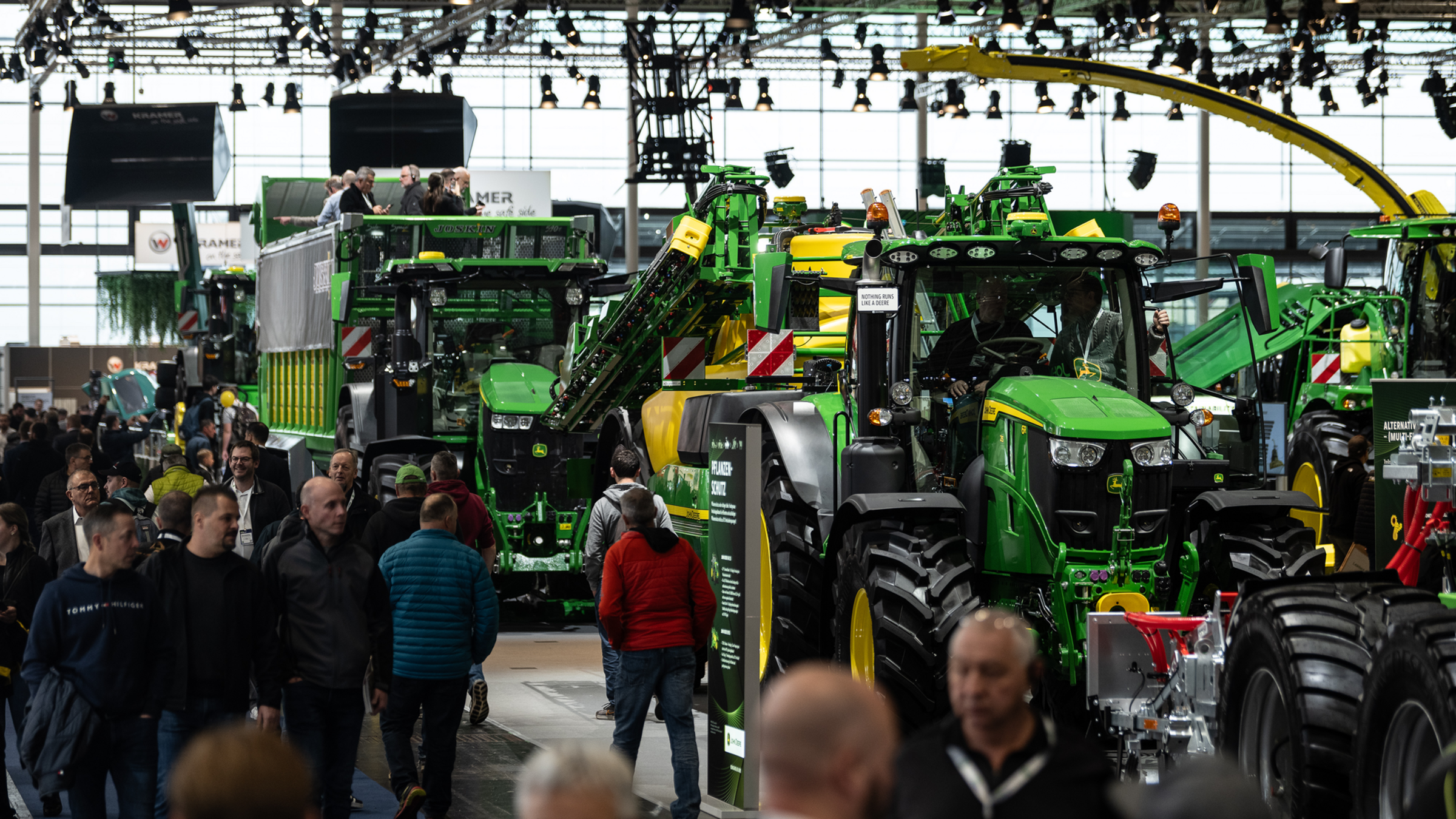
Many farmers are already using digital technologies and applications. These tools are designed to make their work easier, increase productivity and profitability, reduce resource consumption, and counteract the shortage of labor. The potential of digitalization in agriculture is far from fully tapped. One area of particularly high expectations is Artificial Intelligence (AI). To keep track of current solutions—or to gain an overview—Agritechnica 2025 is the ideal place to start.
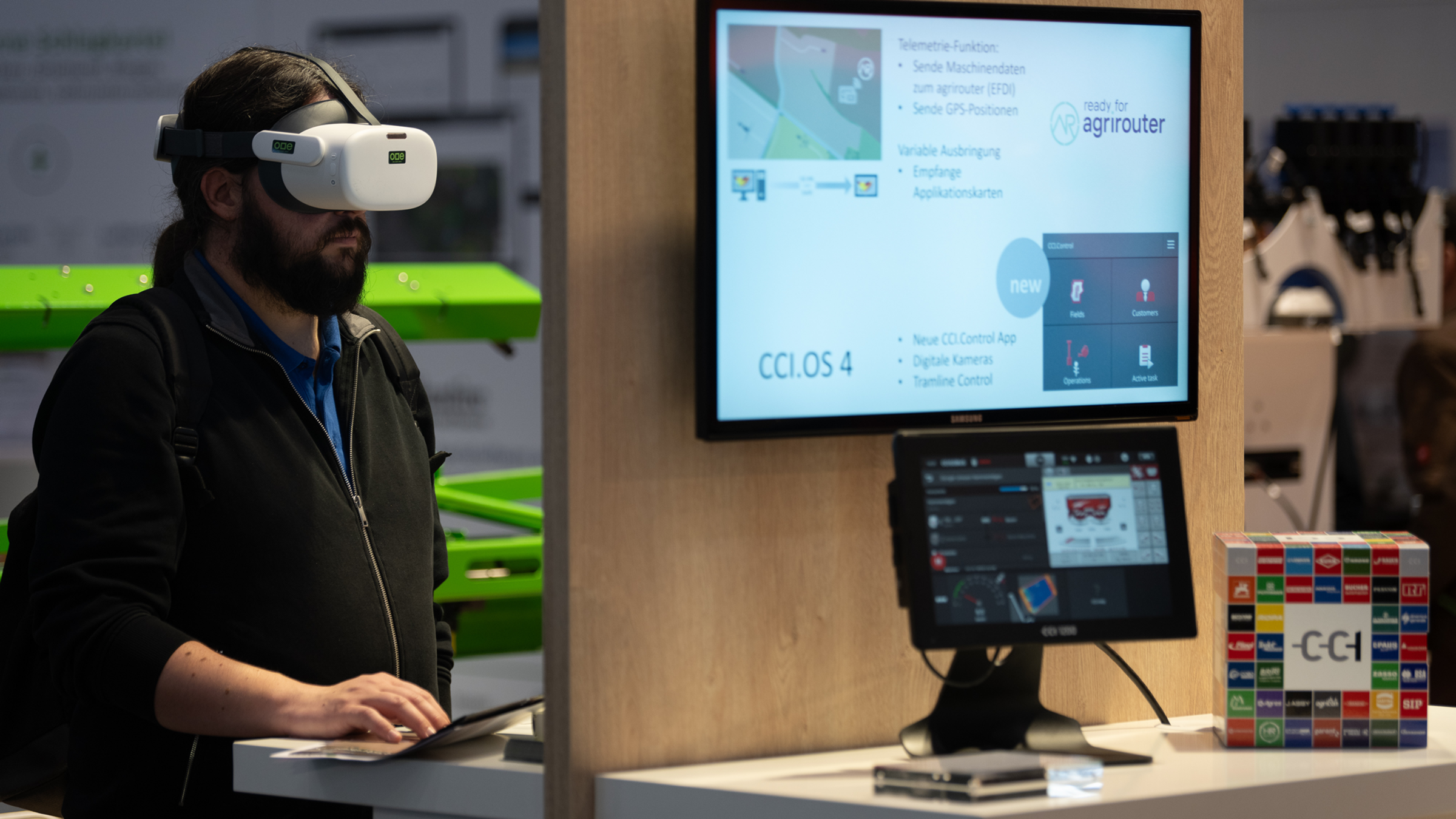
Digitalization has permeated and transformed nearly every aspect of life in recent years—and agriculture is no exception. In Smart Farming, intelligent machines and devices are used with the help of digital technologies to optimize agriculture and make it more sustainable.
The guiding theme of this year’s Agritechnica is “Touch Smart Efficiency.” Is this still a vision for the future, or is agriculture already benefiting from the “smart efficiency” that digitalization offers in many areas? The answer is: both. What’s clear is that the agricultural sector has recognized the potential of digitalization and is increasingly putting it into practice.
Openness to New Technologies
Farmers in Germany are generally very open to new technologies. This is confirmed by two recent surveys: “How digital is agriculture” by Bitkom and DLG, and“Agriculture in Transition” by Continental and the market research institute Innofact.
According to the Bitkom/DLG survey, the majority of farmers recognize the benefits of digitalization. More than four out of five respondents see it as an opportunity for their business, and already 90 percent of agricultural operations in Germany use at least one digital technology. These technologies help farmers save fertilizer and crop protection input and help reduce costs in the long term as well as improve the quality of agricultural products, enable more environmentally friendly farming, and ease the burden of administrative tasks.
Artificial Intelligence: Already a Key Topic
A representative survey of 500 agricultural businesses conducted in 2024 also shows that nearly 50 percent of farms in Germany are exploring the potential uses of Artificial Intelligence (AI). Respondents see the greatest potential for AI in forecasting, crop protection, and administrative work.
“Agriculture is one of the pioneers in AI and is ahead of most other industries. AI can significantly relieve the burden on agricultural businesses, giving farmers more time for other tasks. Smaller farms in particular should make greater use of AI’s possibilities,” says Bitkom CEO Dr. Bernhard Rohleder.
“The use of AI is not a trend, but increasingly a necessity due to the many pressures faced by farm managers,” Says DLG Vice President Prof. Dr. Till Meinel from the Institute for Construction and Agricultural Machinery Technology in Cologne (IBL)
The international study “Agriculture in Transition” by Continental, published in autumn 2023, also highlights Artificial Intelligence as a key factor in agriculture. According to the study, one-third of respondents expect AI applications to triple within the next five to ten years.
AI in Agricultural Practice
Farmers have been encountering AI in practice for years. Who doesn’t use a smartphone with a weather app? Many of these apps are now AI-powered to provide even more precise forecasts.
Tech-savvy farmers have already started developing their own apps—with or without the help of AI tools. Examples from practice include inventory logs for tracking goods in and out, time-tracking apps for work organization, or planning tools for field management. In addition, there are numerous commercial applications such as digital yellow traps, smart grain storage systems, and predictive models for crop protection. For many farms, the paperless office is no longer a vision but a reality, as they use AI to increase the efficiency of workflows.
Using ChatGPT as a Tool
The AI language model ChatGPT is already being used on farms—as a diligent office assistant for structuring and writing texts, and as an advisor on technical questions, sometimes even replacing the need for a technician. To get the best results, questions to ChatGPT should be formulated precisely and in detail. However, despite its capabilities, ChatGPT does not always provide correct answers. Blind trust can be risky, so common sense should never be switched off.
Digital Training Makes Sense
There are many functional digital tools available today—with and without AI. They don’t replace the farmer but can support and relieve them. However, many farms still lack knowledge about which solutions are useful and where their limits lie. The Continental study also shows a growing digital divide in agriculture. In many, especially smaller farms, digital technologies still play no role. The Bitkom/DLG study confirms that larger farms are more likely to use AI, highlighting that farm size significantly influences the adoption of digital technologies.
This digital divide could widen in the coming years. That’s why digital training is so important—to dispel doubts, spark interest in applications, and raise awareness about the need for critical thinking when using digital tools.
The Bitkom/DLG study also shows that for around half of agricultural businesses, digitalization itself is a challenge. Yet it also reveals strong interest among farmers in improving their digital skills. The study’s key message: only with the right know-how can the benefits of rapidly evolving digital technologies be fully leveraged.
Barriers: Cost and Connectivity
In addition to a lack of knowledge, two other factors may slow the development of AI and digital tools: the cost of digital hardware and software, and the lack of reliable broadband connectivity in many rural areas. For smaller farms, costs can be a major barrier—despite their often greater need to catch up.
AGRITECHNICA 2025: Hotspot for Digital Future Topics
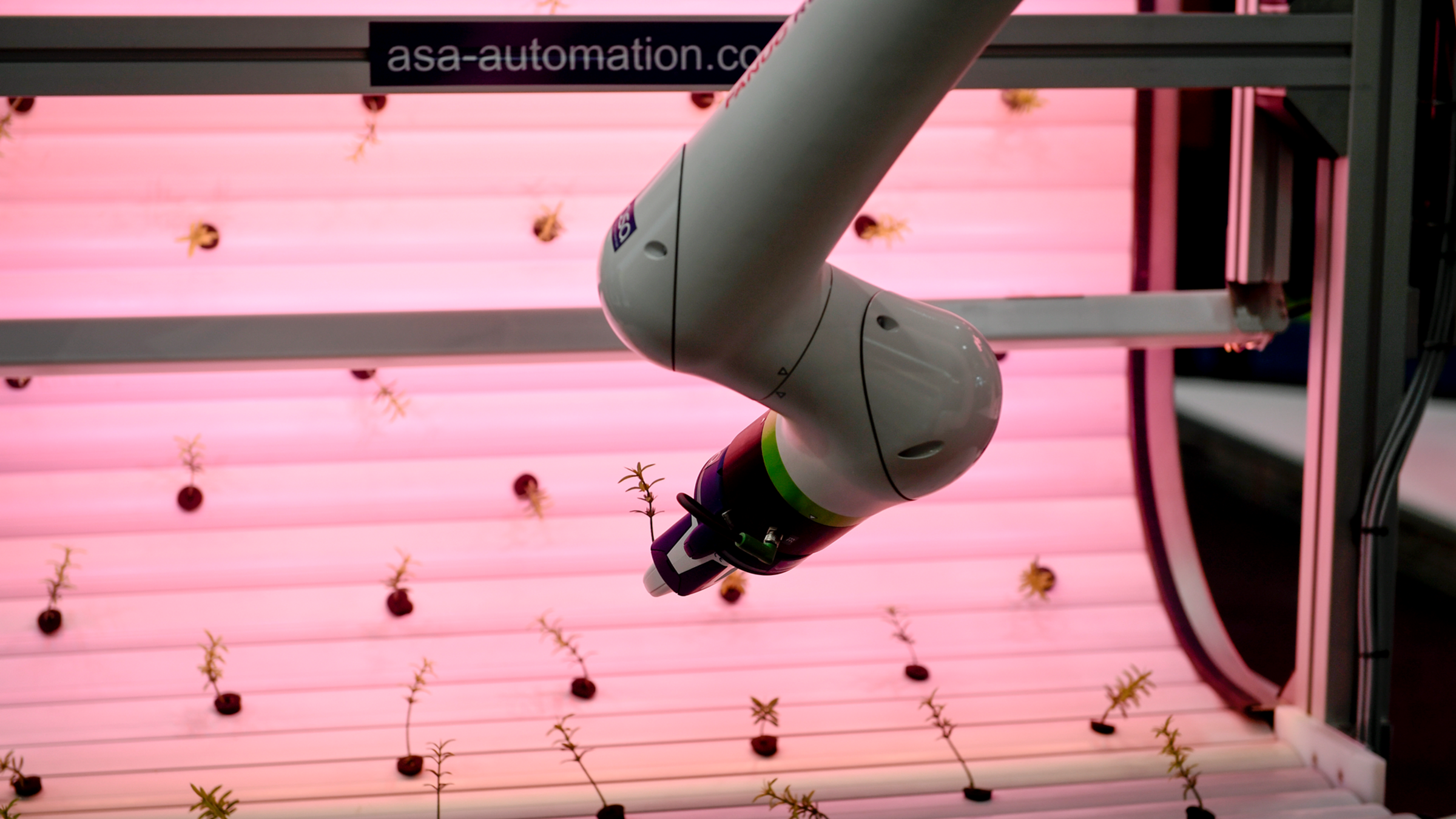
Farmers in Germany are increasingly using digital and AI applications. At Agritechnica 2025, numerous manufacturers will present smart solutions for a wide range of use cases. In addition, the DLG has created the Digital Farm Center at the world’s leading trade fair for agricultural machinery—a new platform where visitors can discover and explore innovative technologies in digital farming, automation, robotics, and artificial intelligence, form their own opinions, and make valuable contacts.
In line with this year’s Agritechnica theme “Touch Smart Efficiency,” the DLG is creating a future-oriented space in Hall 21 where professionals can learn about key technologies for sustainable and competitive crop production. At the DLG Spotlight Digital, the heart of the Digital Farm Center, visitors will find the latest developments in connectivity and data exchange between farm computers and agricultural machinery. The spotlight is complemented by the DLG Expert Stage Digital Farming, featuring presentations and discussions on digitalization, automation, AI, and robotics.
The Digital Farm Day on 13 November 2025, under the theme “More Efficiency through Digitalization,” rounds off the DLG offering with up-to-date