

DLG-Agrifuture Concept Winner 2025
Shortlist for the Future Prize for Agricultural Technology
For the third time, the DLG is honouring the "DLG Agrifuture Concept Winner" for pioneering work and visions for the future in agricultural technology. The award focuses on the technical possibilities in the next five to ten years and looks at the realistic chances of implementation. The DLG has now announced the shortlist of eight nominated innovations for the award, from which five concepts will be selected in a second round by DLG expert committees and international representatives.
Shortlist 2025
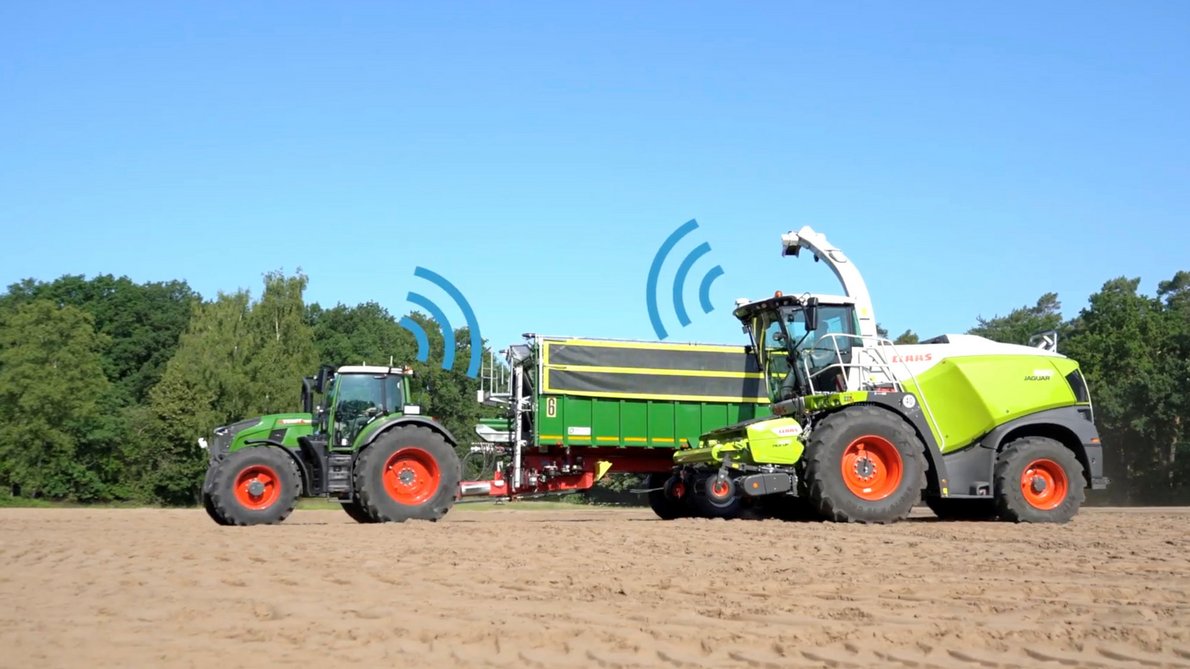
AEF - Agricultural Industry Electronics Foundation e.V., TU München, Fendt - AGCO GmbH, LACOS GmbH, OSB connagtive GmbH, Claas KGaA, Maschinenfabrik Bernard Krone GmbH & Co. KG, Satel Oy and other partners
FieldDataSync – M2M Communication to autonomize cooperative field work
Hall 21 | Stand C26
Mixed fleets of agricultural machinery from different manufacturers are particularly common in Europe. While this approach offers flexibility and enables the selection of the most suitable equipment for each task, it also poses significant challenges for the integration of digital agriculture solutions. The fact that specialized functions can all too often be addressed via proprietary systems directly results in problems of compatibility and interoperability, meaning the exchange of process data or cooperation between machines is not possible. This digital fragmentation slows progress in agriculture and prevents the utilization of much of the potential of modern technologies.
The FieldDataSync project aims to establish radio communication between agricultural machinery to enable cooperative work. It supports the exchange of critical data such as field boundaries for coordinated tasks such as section control among multiple machines. Additional functions include video streaming and the exchange of position data to optimize tasks such as unloading into transport vehicles, group management, and diagnostics. The standard's cross-brand approach supports mixed fleets, reduces development costs, and improves interoperability. At the same time, functional safety and cybersecurity requirements are met.
FieldDataSync machines thus represent an important step toward fully autonomous field operations. The project consortium aims to set industry standards through the AEF and is funded by the German Ministry of Agriculture, Food and Regional Identity (BMLEH)
AI.Land
DAVEGI
Hall 21 | Stand F26
Current conventional vegetable cultivation is mechanized but not fully autonomous. It is labor-intensive, especially in planting, care, and harvesting and it is often associated with inefficient use of resources and heavily dependent on centralized logistics and packaging systems.
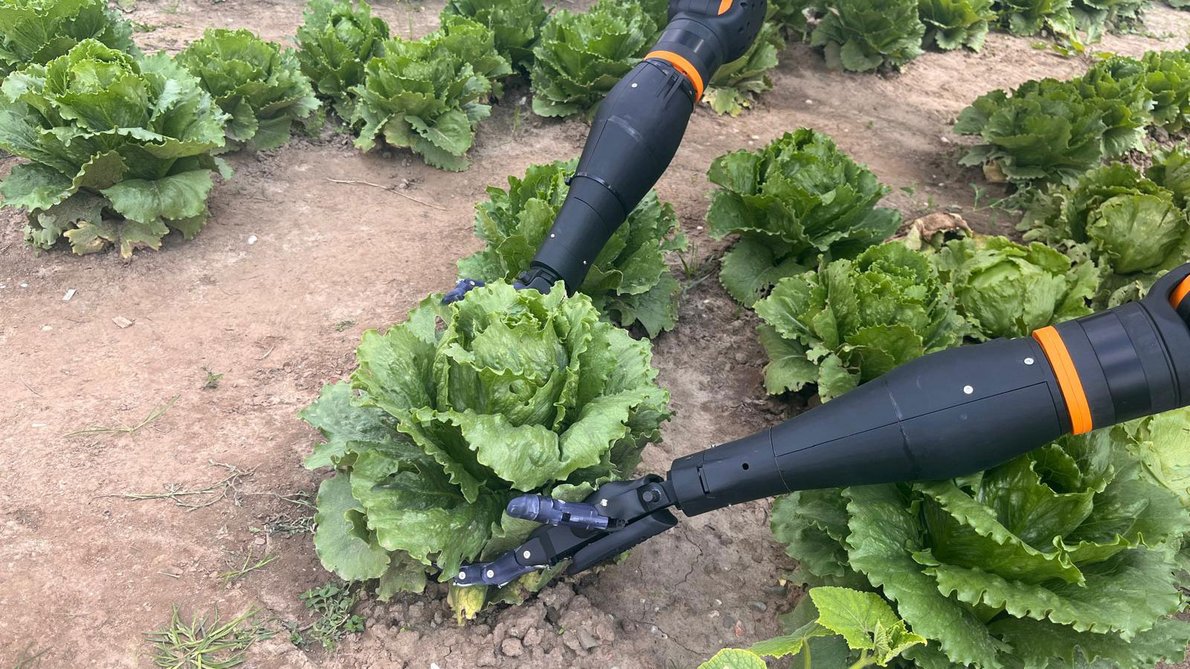
AI.Land's DAVEGI system is intended to combine the necessary steps of vegetable cultivation, from soil preparation to direct delivery, into a holistic approach for the first time, thus enabling a completely new process of local food supply. It is based on a robotic harvester, an autonomous, energy-self-sufficient spot farming platform trained to mimic the sensitivity and dexterity of humans during picking, thus enabling a gentle and selective harvest. It is designed to primarily replace post-harvest steps such as centralized logistics, distribution centers, and retail. Instead, customized vegetable crates are harvested, packed, and delivered within a few hours and without disposable packaging. This shortens the path from field to fork and creates significant ecological and economic benefits: lower emissions, more efficient use of resources, and greater resilience of local agriculture. The system is currently on track to reach Technology Readiness Level 6, i.e., close to a functional prototype.
By integrating the entire value chain into a localized platform, DAVEGI supports a sustainable circular economy model while improving profitability for farmers and access to food for consumers.
AMAZONEN-WERKE H. DREYER SE & Co. KG
SoilDetect
Hall 9 | Stand D32
Joint development with exatrek - EXA Computing GmbH
To date, either geoelectric measurements or satellite data have been used to create yield potential maps. Although cultivator sensors are increasingly available in practice, this process data have not been used to demarcate sub-areas, and tractor data such as diesel consumption, engine speed, engine load, and speed are not included in these calculations.
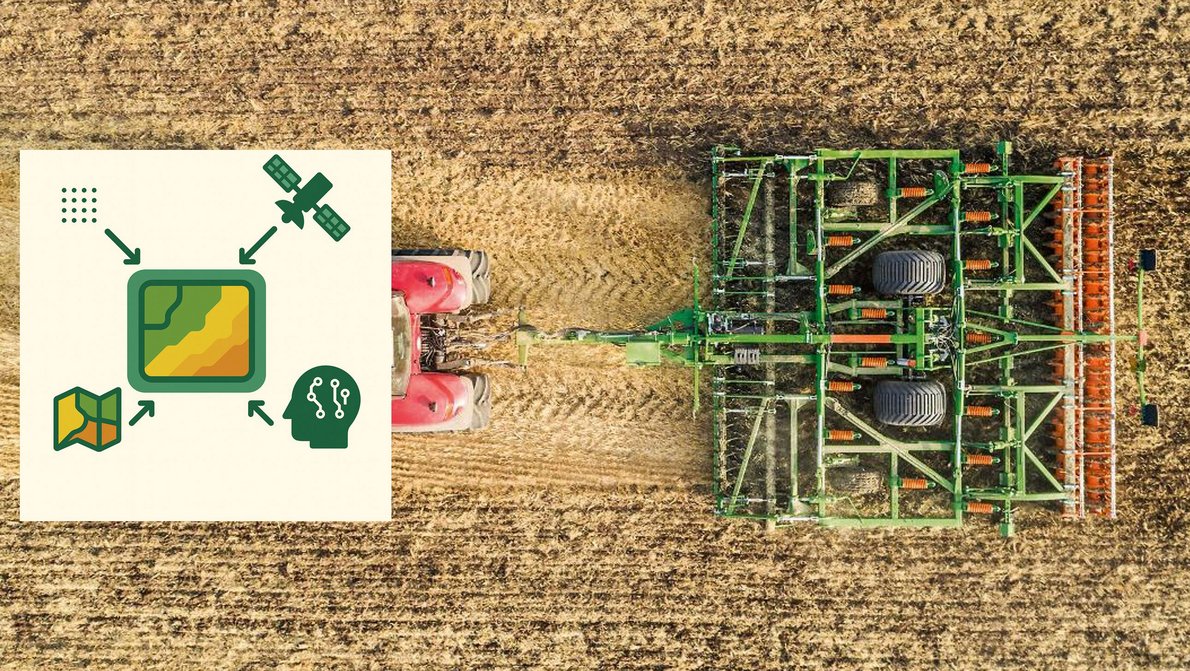
The "SoilDetect" system from Amazone enables the fusion of all of the above-mentioned data for the first time. Using a multi-sensor system on the tillage implement, small-scale soil data such as soil conductivity and resistivity, as well as slope and working depth, are recorded and linked to tractor process data. All measurements are georeferenced and stored with elevation data, and the resulting terrain models are transmitted via telemetry to an evaluation system. This system incorporates satellite, soil assessment, and climate data, as well as farm-specific information, to create yield potential and field soil maps fully automatically with AI support. Field-specific notes from the farm manager or the results of soil analyses at reference points further optimize the accuracy of the results.
The implementation of a geoelectric measurement system in a standard cultivator enables, for the first time, straightforward measurements during soil cultivation and thus the creation of yield potential maps for site-specific crop production. By automating data transfer and merging it with other information sources, a basis for decision-making can be created without the need for additional specialized knowledge, and resources can be deployed in a targeted and needs-based manner.
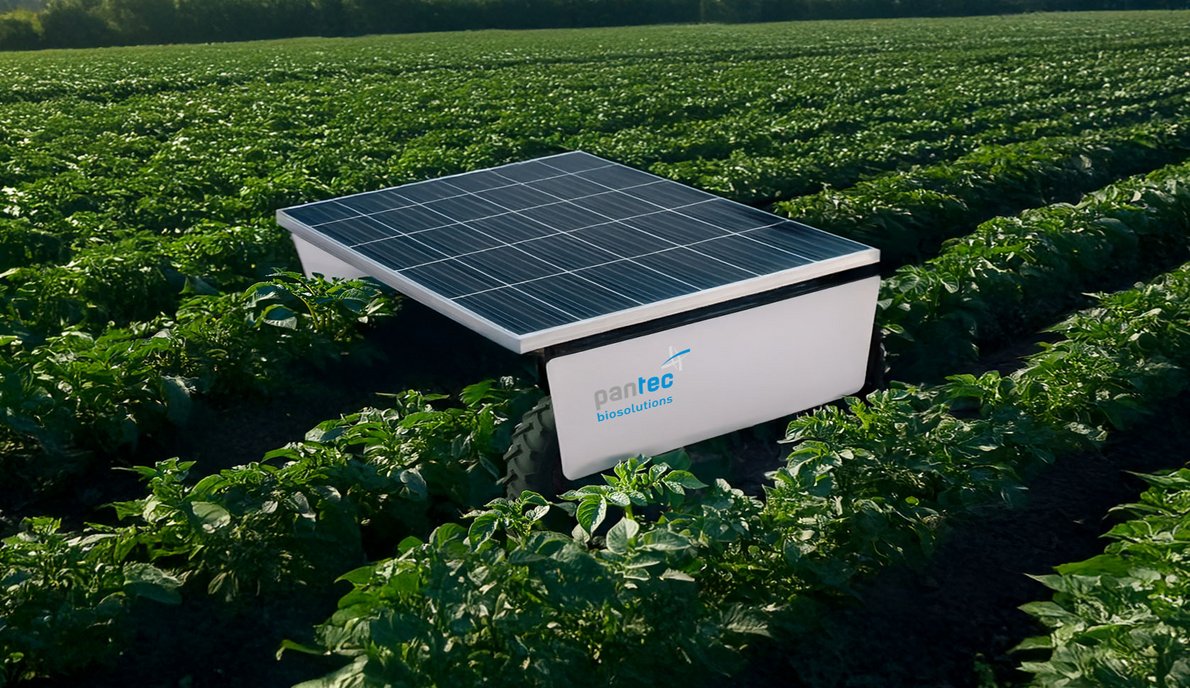
Pantec Biosolutions AG
DLT – Detect & Laser Treatment
Hall 21 | Stand G11
Previously available laser weed control systems have various design disadvantages and require very high laser power to kill detected weeds by burning them.
For the Detect & Laser Treatment system, Pantec Biosolutions has taken a different, completely new approach: cutting the weeds using its own patented 3-μm laser, which exhibits exceptionally high absorption in both water and chitin. This allows for significantly lower radiation doses, which keeps the control system compact and energy-efficient, and also significantly reduces the risk of eye injury or fire. In addition to weeds, the system can also be used for infestations by insects or other pests that contain chitin.
The Detect & Laser Treatment system from Pantec Biosolutions thus represents an innovative alternative to manual pest and weed control. Laser-based and therefore biocide-free weed and pest control simplifies the transition from conventional to organic farming.
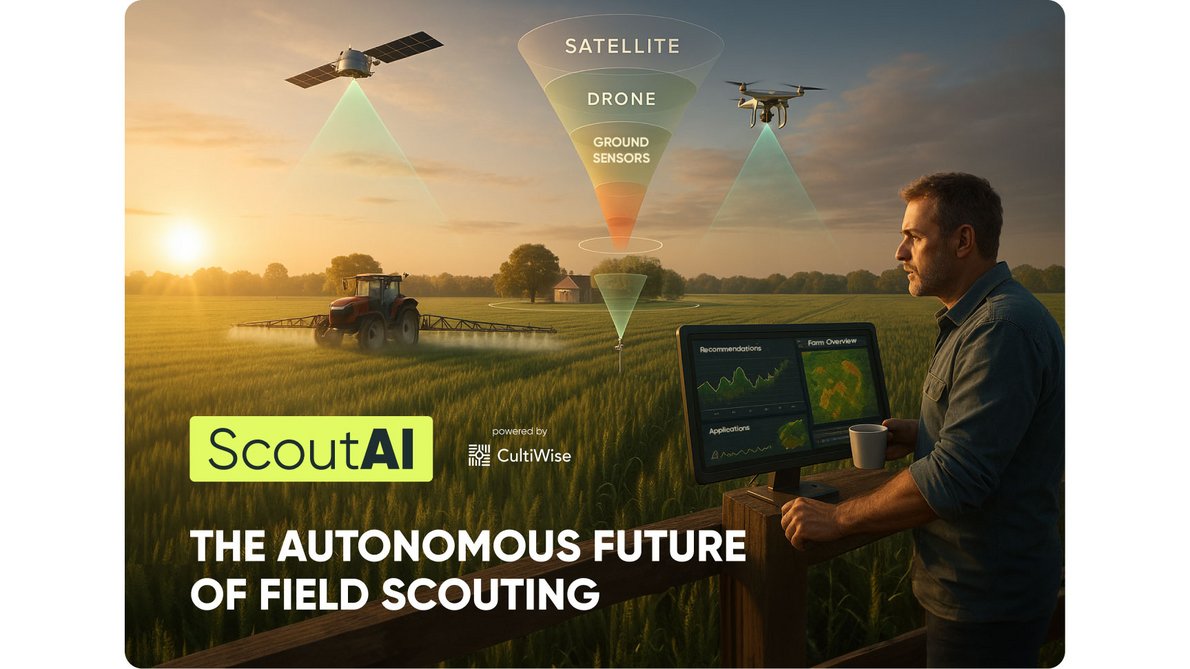
SkyMaps s.r.o.
CultiWise ScoutAI
Hall 9 | Stand H35
Because new digital tools, such as drone and satellite data, sprayer logs, and weather apps, are generally standalone solutions, this can often lead to interoperability issues. This is especially true for decision-making platforms, which rarely use more than one data type and are often tied to specific brands.
The CultiWise ScoutAI from SkyMaps relies on proven components and, through open protocols and adaptive AI, creates a learning architecture that is not available in current precision agriculture solutions. The system combines four sensor layers into a single autonomous field exploration chain for the first time. Anomaly detection models scan satellite images daily and trigger a docked drone to fly to capture detailed images down to the leaf level.
After uploading the data to the cloud, an AI can detect weeds, changes at the leaf level, or gaps in the crop. The data is further refined in real time during the sprayer pass using boom-mounted cameras, while weather stations and insect traps in the field provide microclimate and air pressure signals to predict disease or pest infestation. A cloud-fusion AI processes each data stream and provides machine recommendations for variable and targeted treatments. The AI operates hardware-independently, meaning any drone, sensor, or tractor brand can be connected.
With Cultiwise Scout AI, the farmer receives virtual eyes that monitor every hectare every day and, acting as a kind of digital co-pilot, recommend the optimal treatment plan based on data. The system thus represents the first open, fully automated, digital phenotyping chain.
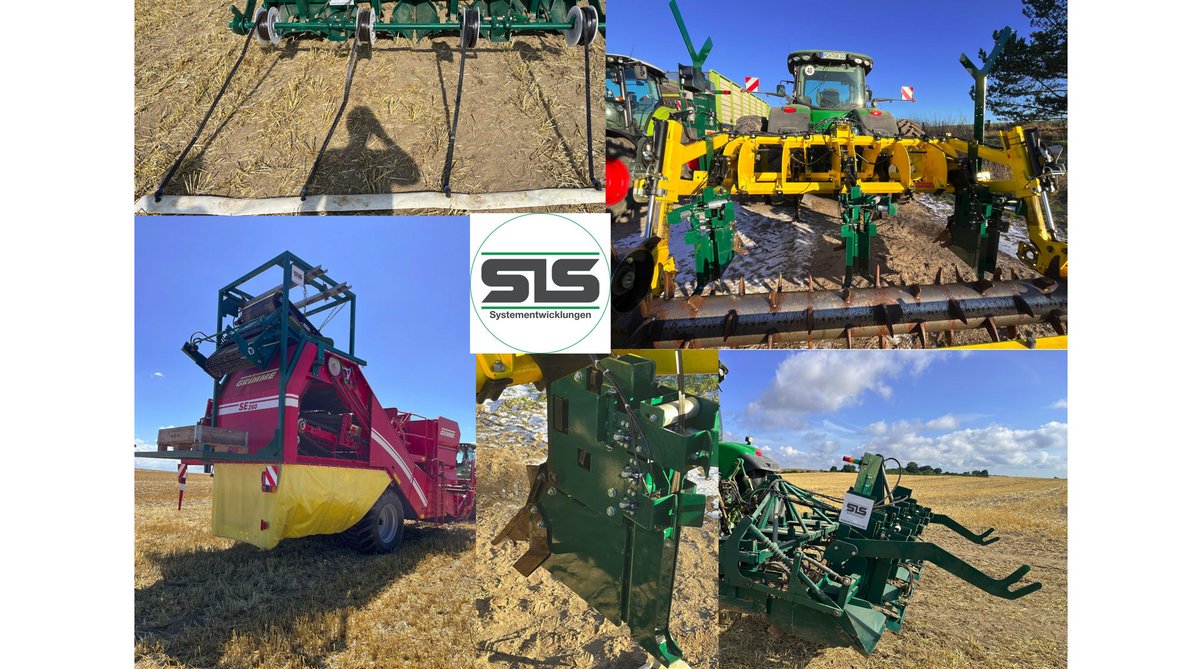
SLS Systementwicklungen GmbH
SLS-NextDrip
Hall 12 | Stand B71
Drip irrigation is the most water-efficient irrigation method. Due to the immense effort required to install and remove drip irrigation systems, these systems are currently used primarily in developing countries with low wages, particularly because the systems must be assembled largely by hand in the field. In intensive agriculture, this effort is not cost-effective and also reaches its limits with regard to site-specific adaptations, especially when the layout is too complex and on-site installation becomes error-prone.
With NextDrip, SLS has rethought the entire process of installing and removing drip irrigation systems, relocating the assembly process from the field to the factory. There, prefabricated units of several adjacent drip lines are cut to the length required for each field and location and assembled with fittings and distribution hoses. A special machine enables efficient placement in the field. In addition, this type of installation offers the option of adding metal markers to the lines, which are important for both detection systems and fully mechanized retrieval with magnetic retrieval of the line ends. Pre-assembly at the factory also allows field geometry data as well as soil or yield maps to be used for the controlled installation of site-specific drippers or valves according to yield zones.
Overall, NextDrip from SLS minimizes labor, especially manual labor, during the installation and retrieval of drip irrigation systems. By relocating the assembly process to the factory, it also creates the possibility of adapting the drip lines specifically to the site conditions.

VALTRA
Valtra Coach Talking Tractor
Hall 20 | Stand A40
Joint development with spogen AI
Modern farmers are aware that they need more and better data to make their operations more efficient. While some of this data already exists, accessing and using it is difficult and overloaded with different data systems, applications, and formats. This problem becomes even more apparent the less knowledge and experience operators have with these data systems.
With the "Talking Tractor" presented here, Valtra is introducing the first step in its Valtra Coach concept. This intelligent assistant is designed to enable all tractor users to work at a higher level of efficiency and sustainability. By linking machine functions, work history, and performance data, the AI-powered mobile app provides 24/7 guidance, real-time insights, and actionable analytics. It understands not only how to operate the machine, but also what work has already been completed and how it can be optimized. With features such as CO₂ analysis and fleet efficiency tracking, Valtra Coach also supports data-driven decision-making at the management and planning levels. The Valtra Coach is designed as a dynamic platform with an agile roadmap for the rapid, farmer-focused development of additional features.
The "Valtra Coach Talking Tractor" thus opens up numerous possibilities for future assistance systems, including in collaboration with partners and startups, and thus represents an interesting concept for the future of smart farming applications.
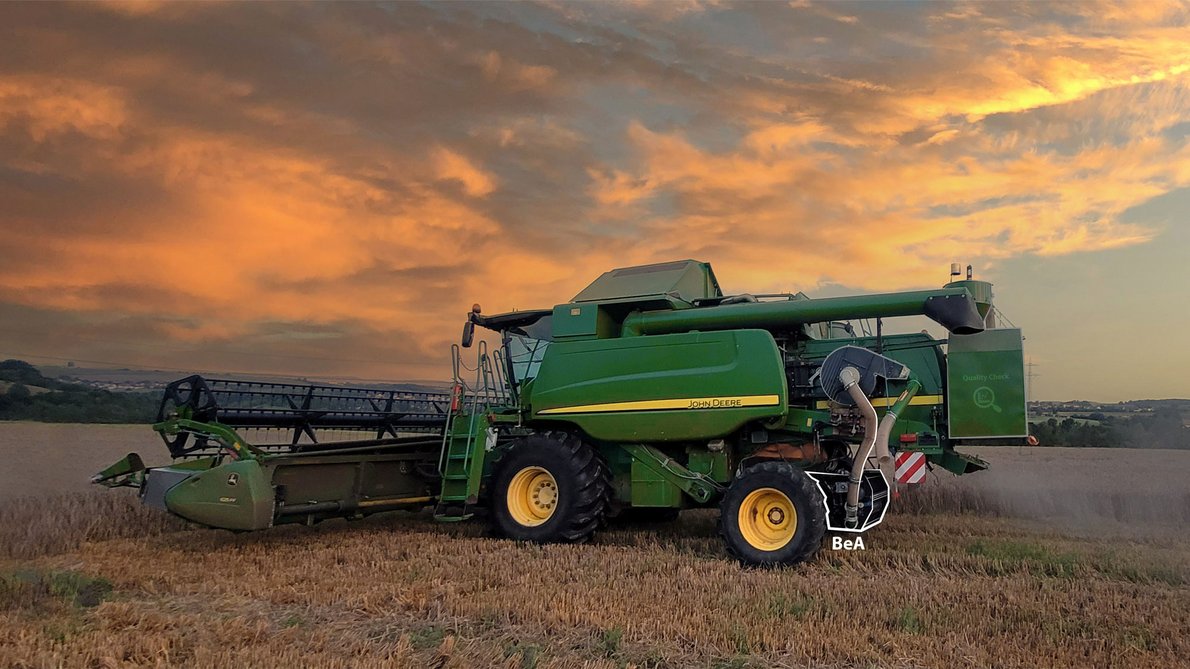
Zürn Harvesting GmbH & Co. KG
ZÜRN SEED SELECT
Hall 13 | Stand C25
Joint development with TU Dresden und EXAgT GmbH
In agriculture, all common approaches to preventive and therapeutic plant protection have so far aimed at reducing or preventing the production of further seeds by germinated weeds. However, the spread of weed seeds by harvesting machinery has not been considered.
Zürn's Seed Select concept now addresses this problem for the first time using two drum screens mounted in a compact unit behind the sieves of a combine harvester. The weed seeds fall through these screens, while straw and chaff pass through the drums and are fed back into the chaff spreader. The separated material is killed in a devitalization unit and can then be spread on the field as organic matter without the risk of germination. Due to its small space and power requirements and its modular design, the system can be easily adapted to a variety of combine harvesters without compromising the normal function of the cleaning system or the grain loss sensors.
Zürn Seed Select is the first system for weed seed control during harvest that has the potential to break the weed cycle and improve field hygiene.